
Every reloader knows how important primers are to your cartridges. After all, they are the main component that makes your cartridge go bang. While every reloader knows the importance of primers to the overall cartridge, primer sensitivity is a lesser known topic that is also important for a reloader to understand if they wish to squeeze the best performance out of their ammunition.
What is Primer Sensitivity?
Primer sensitivity refers to how easily a primer can be ignited by the firing pin strike. Primers are designed to produce a specific amount of pressure when struck, creating a spark that ignites the powder in the cartridge. However, not all primers are created equal; some are more sensitive than others.
Types of Primers
Standard Primers: Typically used for most reloading applications. They have moderate sensitivity and are reliable for most shooters.
Magnum Primers: Designed for use in higher-pressure loads. These primers are more sensitive and produce a hotter flame, making them ideal for magnum cartridges or when using slower-burning powders.
Specialty Primers: Some brands offer primers specifically designed for certain applications, such as shotshell reloading or match shooting. These may have unique sensitivity characteristics.
Which type of primer you use will ultimately be determined by the cartridge you are reloading. It is important to consult your reloading manual to see what type of primer they used in their testing of the cartridge you are planning on reloading.
How Different Brands Vary
Different manufacturers often have distinct formulations and manufacturing processes that affect primer sensitivity. Here are a few notable brands and their characteristics:
Federal: Known for having some of the most sensitive primers on the market. Federal primers are often favored by competitive shooters who need reliable ignition, especially in colder conditions.

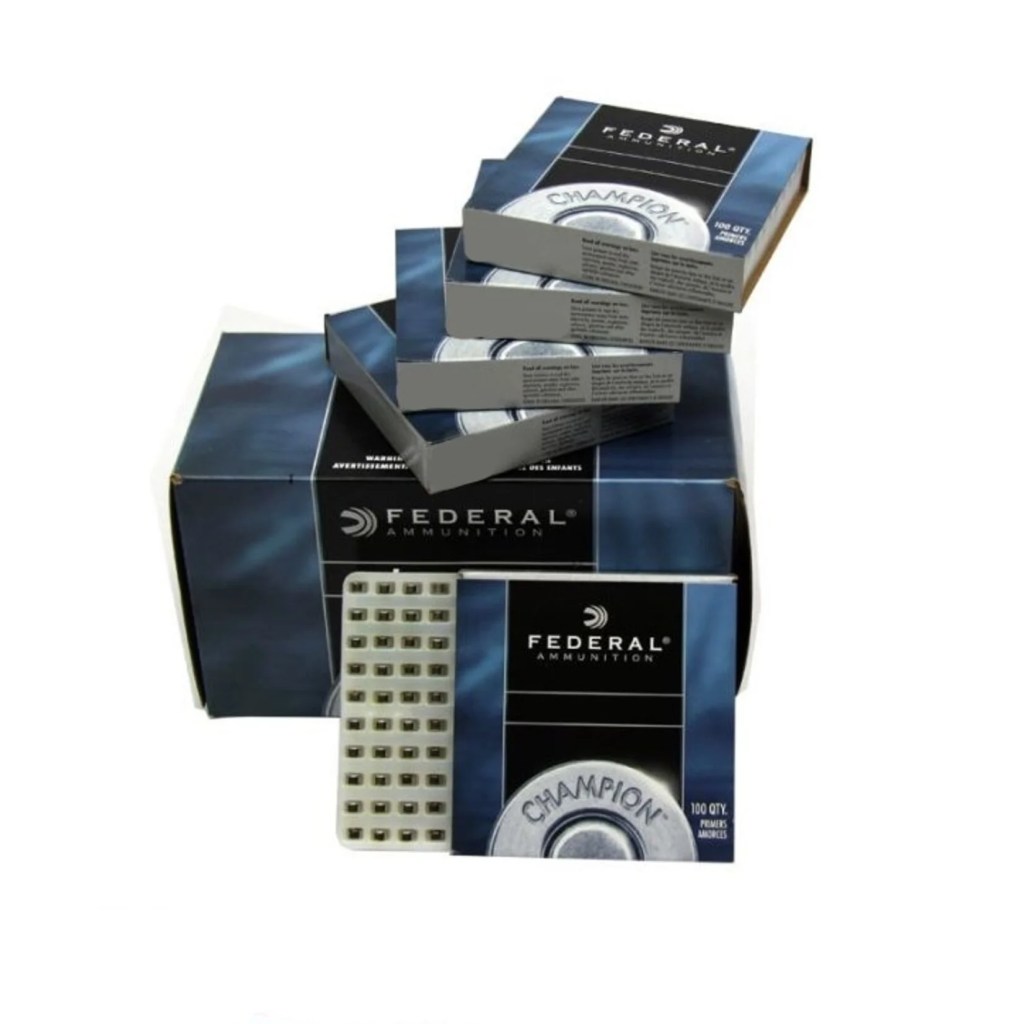
If you have seen Federal primers on the shelves, you might notice that the packaging is significantly larger than other brands like CCI or Winchester. This is to comply with Department of Transportation regulations. Since Federal Primers are significantly more sensitive than others, they are required to give them extra space and “cushion” in their packaging for transportation.
Winchester: Offers a balance of sensitivity and consistency. While not as sensitive as Federal, they are widely used and trusted for a variety of applications.
CCI: Known for their robust construction, CCI primers are slightly less sensitive than Federal but are very reliable, making them a great choice for everyday reloading.
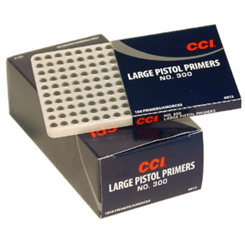
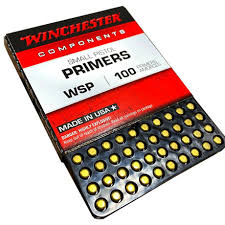
Winchester and CCI primers are among the most popular, and readily available primers on the market. Many reloaders use exclusively Winchester or CCI as they are typically the easiest to find in times of shortage.
Remington: Similar to both Winchester and CCI, Remington primers offer a moderate sensitivity level, providing good performance across various conditions.

In my area, Remington primers are not as readily available as Winchester or CCI primers, but they make a great option for everyday reloading. Due to their relatively limited availability in my area, I have yet to reload any Remington primers.
When selecting primers, it’s essential to consider the specific requirements of your loads and the types of firearms you’ll be using. It is important to first see what type of primers were used in your reloading manual. While it is unlikely you will notice a difference in everyday shooting, testing different brands can help you determine which works best for your particular setup.
Conclusion
While most shooters and reloaders probably will not notice a difference in performance between brands of primers, understanding primer sensitivity is important for those who like to take complete complete control of every variable in their load development. By carefully selecting your primers and ensuring they are seated correctly, you can improve the reliability and performance of your reloads. Whether you’re reloading for competition, hunting, or just for fun at the range, paying attention to these details will elevate your shooting experience.
For those inclined to spend time experimenting with different primers, there is a lot to learn and lot to experiment with in regards to primers. Proper documentation of your experiments and results will provide valuable insights that will help with future load developments.

 Bullet and Bench
Leave a comment